29 de agosto de 2017
2 mins read

Más de 180 millones de personas carecen de agua potable en países en conflicto

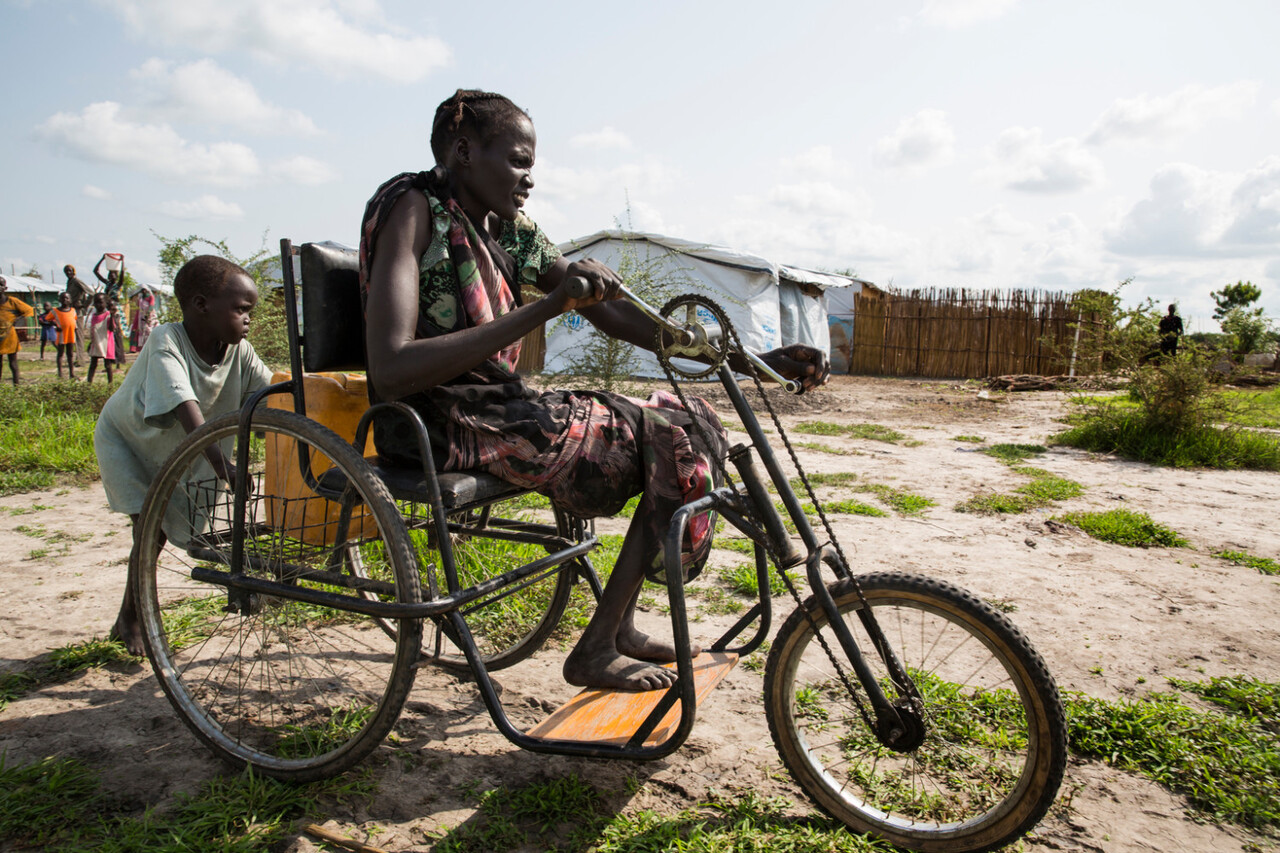
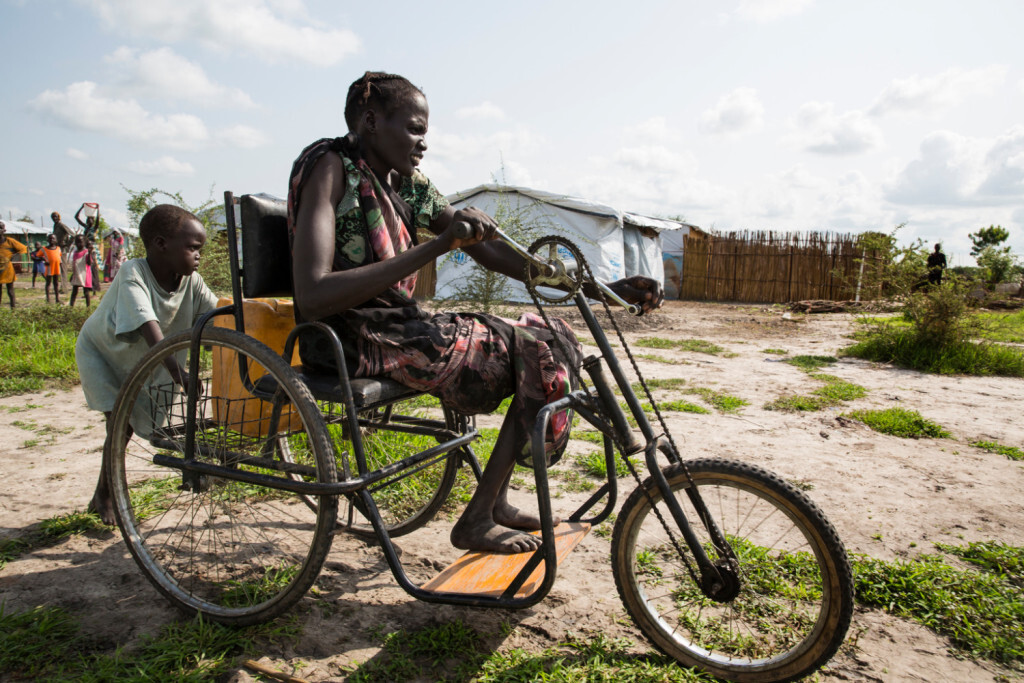
Nyahok Yar (right), who is physically disabled and relies on a tricycle for mobility, goes to fetch water with one of her children in the Kochethey internally displaced persons (IDP) camp, Bentiu, South Sudan, Friday 7 July 2017. Before a water pipeline bringing safe drinking water from a treatment plant to a water point in the camp was constructed, Nyahok would have to travel up to two hours per day to collect water for her and her family. “Sometimes during the rainy season, it was too muddy, I couldn’t move with my bike to get water and I was stuck in my house,” says Nyahok. Since the installation of the water point, it takes Nyahok only five minutes to collect water with the help of her children, making it possible for her to make the journey several times a day. As of 20 July 2017, South Sudan is in the midst of the most severe and protracted cholera outbreak in its history, with 13,880 cholera cases and 243 cholera deaths reported so far in 2017. UNICEF has continued to scale up its cholera response in line with the resurgence of transmission, providing direct support to more than 7,673 cholera cases this year. South Sudan’s water supply and hygiene services have been severely affected by the conflict which began in 2013. Nearly five million of the most vulnerable people in the country are in need of access to safe water and basic sanitation facilities. Many water points have been damaged because of the conflict or fallen into disrepair. Unsafe water puts people at increased risk for waterborne diseases such as diarrhoea and cholera. But a newly rehabilitated water treatment plant in Bentiu is already improving the lives of residents in the northern town. Work to upgrade the plant began in May 2016 with support from UNICEF, USAID and Concern. The treatment plant resumed full operations in June 2017 and currently produces about 500,000 litres per day of safe water, which is pumped to 22 water points across Bentiu. UNICEF’s water and sanitation sp
Nyahok Yar (right), who is physically disabled and relies on a tricycle for mobility, goes to fetch water with one of her children in the Kochethey internally displaced persons (IDP) camp, Bentiu, South Sudan, Friday 7 July 2017. 

Los niños que viven en contextos inestables tiene cuatro veces más posibilidades de carecer de agua potable

NUEVA YORK/ESTOCOLMO, 29 de agosto 2017- Más de 180 millones de personas carecen de acceso a agua potable en países afectados por conflictos, violencia e inestabilidad*, según ha advertido UNICEF con motivo de la Semana Mundial del Agua.

“El acceso de los niños a agua y saneamiento seguros, especialmente durante un conflicto o una emergencia, es un derecho, no un privilegio”, asegura Sanjay Wijesekera, responsable de agua, saneamiento e higiene de UNICEF. “En los países asolados por la violencia, el desplazamiento, el conflicto y la inestabilidad, los medios más básicos de supervivencia para los niños –como el agua- deben ser una prioridad”.

Según un reciente análisis de UNICEF y la Organización Mundial de la Salud, las personas que viven en contextos delicados tienen cuatro veces más posibilidades de carecer de agua potable que las poblaciones que no sufren esa situación. De los 484 millones de personas que vivían en entornos frágiles en 2015, 183 millones carecían de servicios básicos de agua potable.

En Yemen, que sufre el impacto de más de dos años de conflicto, las redes de suministro de agua que dan servicio a las mayores ciudades del país están en riesgo inminente de colapsar debido a los daños ocasionados por la guerra y al mal estado en que se encuentran. Unos 15 millones de personas sufren cortes regulares en el suministro de agua y saneamiento.

En Siria, donde el conflicto está inmerso en su séptimo año, unos 15 millones de personas necesitan agua segura, entre ellas 6,4 millones de niños. El agua ha sido utilizada frecuentemente como arma de guerra: solo en 2017, hubo al menos 30 cortes de agua deliberados en Alepo, Damasco, Hama, Raqqa y Dara, con sistemas de abastecimiento destruidos y fuentes de agua contaminadas.

En zonas del noreste de Nigeria afectadas por el conflicto, el 75% de la infraestructura de agua y saneamiento ha sido dañada o destruida, dejando a 3,6 millones de personas sin ni siquiera servicios de agua básicos.

En Sudán del Sur, donde los combates duran ya más de tres años, casi la mitad de puntos de agua de todo el país han sido dañados o completamente destruidos.

“Los sistemas de agua y saneamiento han sido atacados, dañados o dejados en mal estado al borde del colapso en demasiadas ocasiones. Cuando los niños no tienen agua potable y cuando los sistemas de salud están en ruinas, la desnutrición y enfermedades potencialmente mortales como el cólera llegan inevitablemente”, asegura Wijesekera.

En Yemen, por ejemplo, los niños constituyen más del 53% del casi medio millón de casos sospechosos de cólera y de diarrea acuosa aguda que se han registrado hasta ahora. Somalia sufre el mayor brote de cólera de los últimos cinco años, con casi 77.000 casos registrados. Y en Sudán del Sur, el brote de cólera es el más grave que ha experimentado nunca el país, con 19.000 casos desde junio de 2016.

En los lugares bajo amenaza de hambruna –noreste de Nigeria, Somalia, Sudán del Sur y Yemen- cerca de 30 millones de personas, incluidos 14,6 millones de niños, necesitan urgentemente agua segura. Se estima que este año sufrirán desnutrición más de 5 millones de niños, 1,4 millones de ellos en su estado grave.


Previous Story

Igualdad convoca las ayudas de promoción de los derechos de infancia y de participación infantil

Next Story

El PP vuelve a ofrecer al tripartito un frente común para resolver los problemas de La Serratella porque “en lugar de reducirse, crecen”

Latest from Blog

La mejor tarifa de fibra y móvil de 2021

El mercado de las operadoras de telefonía en España es muy amplio, y por ello, escoger las mejores tarifas de fibra y móvil puede ser complicado. En concreto, en nuestro país existen
Go toTop